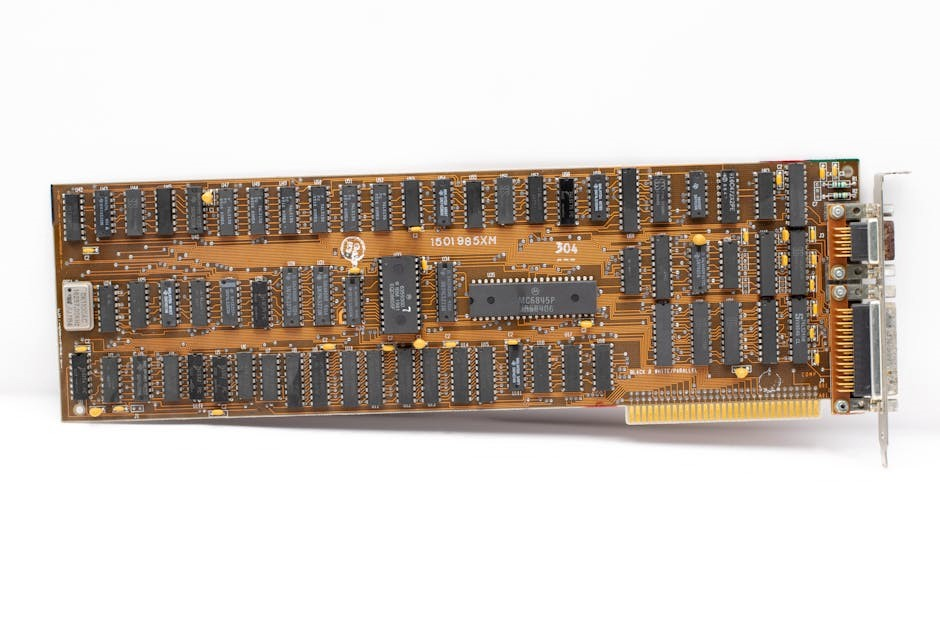
plum 360 service manual
Plum 360 Service Manual: An Overview
This manual, dated today 03/31/2026 08:14:05, details the ICU Medical Plum 360 infusion system’s technical service procedures and operational guidelines.
The Plum 360 infusion system represents a significant advancement in intravenous fluid and medication delivery. This technical service manual provides comprehensive guidance for qualified personnel responsible for maintaining and repairing these critical devices. It’s designed for use alongside the system operating manual, which should be consulted for complete operational details – contact Hospira Technical Support if unavailable.
The Plum 360 is compatible with Hospira MedNet Software, facilitating integration within hospital networks. This manual covers troubleshooting, preventative maintenance, calibration, and detailed electrical/mechanical specifications. Understanding the system’s functional components and software interface is crucial for effective service. Referencing page 161 and 171 of the manual will provide valuable insights into alarm resolution and technical service procedures.
Document Scope and Revision History
This ICU Medical Plum 360 Technical Service Manual encompasses detailed procedures for servicing the Plum 360 infusion system. It’s intended for trained biomedical technicians and qualified service personnel. The scope includes troubleshooting operational alarms – like Proximal OCCLUSION (N185, N190) and Distal OCCLUSION (N192) – as well as those requiring specialized technical intervention.
Information is sourced from ManualsLib, with documentation dates noted as early as 2011-02-07 and as recent as 2022-11-12. The manual details electrical connector specifics and mechanical component breakdowns. Revision dates are crucial for ensuring technicians utilize the most current information. This document, spanning 254 or 267 pages depending on the version, provides a complete reference for maintaining Plum 360 functionality and safety.

System Theory of Operation
The Plum 360’s operation relies on integrated functional components, sophisticated software, and a user-friendly interface for precise infusion control and monitoring.

Plum 360 Functional Components
The Plum 360 infusion system comprises several key functional components working in concert to deliver precise fluid therapy. These include the pump mechanism itself, responsible for accurate and consistent fluid delivery, and the occlusion detection system, crucial for patient safety.
The system also features a sophisticated user interface, allowing healthcare professionals to easily program and monitor infusion parameters. Electrical connectors facilitate power and data communication, while mechanical components ensure structural integrity and reliable operation.
Furthermore, the Plum 360 integrates with Hospira MedNet software, enabling centralized monitoring and data management. Understanding the interplay of these components is essential for effective troubleshooting and maintenance, as outlined in this technical service manual.
Software and User Interface Overview
The Plum 360’s software governs all system functions, from infusion rate control to alarm management and data logging. The user interface, designed for intuitive operation, provides a clear display of infusion parameters and system status. Healthcare professionals can easily program delivery rates, volumes, and occlusion settings.
Compatibility with Hospira MedNet software allows for seamless integration into hospital-wide network systems, enabling remote monitoring and data analysis. The software facilitates efficient workflow and enhances patient safety through centralized control.
This manual references the system operating manual for detailed instructions on software navigation and user interface features, ensuring technicians understand the software’s role in diagnosing and resolving issues.

Troubleshooting: Operational Alarms
Operational alarms, like Proximal OCCLUSION (N185, N190) and Check Line (N191), indicate user-correctable issues; Distal OCCLUSION (N192) pauses infusion.
Alarm Code N185: Proximal OCCLUSION
Alarm N185 signifies a proximal occlusion has been detected within the Plum 360 infusion system. This alarm indicates a blockage is present in the tubing or access device near the pump, preventing fluid delivery. Corrective actions, as outlined in the technical service manual, involve verifying proper connection of the IV line and access device, inspecting the tubing for kinks or clamps, and flushing the line to dislodge any potential obstructions.
Ensure the fluid container is adequately filled and free of particulate matter. If the occlusion persists after these steps, consider replacing the IV tubing and access device. Refer to Table 6-1 in the manual for detailed troubleshooting guidance. Always document all actions taken and the resolution of the alarm. Proper attention to this alarm ensures patient safety and accurate medication delivery.
Alarm Code N190: Proximal OCCLUSION A!
Alarm N190, designated as “Proximal OCCLUSION A!”, signals a persistent proximal occlusion detected by the Plum 360 system. This alarm escalates the severity of N185, indicating the system’s attempts to resolve the blockage have failed. The technical service manual advises immediate attention to verify the IV line and access device connections, meticulously inspect the tubing for any kinks, clamps, or air bubbles, and attempt manual flushing.
If the occlusion remains, replace the IV tubing and access device. Document all troubleshooting steps. This alarm requires careful assessment to prevent interruption of critical fluid delivery. Refer to Table 6-1 for comprehensive corrective actions. Contact Hospira Technical Support if the issue persists, referencing the alarm code for efficient assistance.
Alarm Code N191: Check Line A
Alarm Code N191, “Check Line A,” indicates a potential issue detected within the primary infusion line of the Plum 360 system. This alarm prompts a thorough inspection of the entire line, from the fluid container to the patient connection. The service manual stresses verifying proper connection security at all points, ensuring no disconnections or loose fittings exist.
Technicians should carefully examine the tubing for any visible obstructions, kinks, or damage. Attempt gentle manual flushing to identify potential blockages. If the alarm persists after verification, consider replacing the infusion line. Accurate documentation of all checks and actions is crucial. Refer to Table 6-1 for detailed corrective procedures and escalate to technical support if needed.
Alarm Code N192: Distal OCCLUSION ― Paused!
The Plum 360 system generates Alarm Code N192, “Distal OCCLUSION ⎼ Paused!,” when it detects a blockage downstream, halting infusion to prevent potential harm. This signifies an obstruction within the patient’s access line or the administration set distal to the pump. Immediate attention is required, but the paused state allows for safe troubleshooting.
Service personnel must first verify the patient’s access site for patency and assess for any signs of infiltration or phlebitis. Gently attempt to flush the line, observing for resistance. If the occlusion persists, replace the administration set. Thorough documentation of the event, including troubleshooting steps and resolution, is essential. Consult Table 6-1 within the service manual for comprehensive guidance.

Troubleshooting: Alarms Requiring Technical Service
Certain Plum 360 alarm codes, detailed in Table 6-2, indicate malfunctions needing specialized technical expertise for diagnosis and effective repair procedures.
Alarm Codes and Possible Causes
This section outlines specific Plum 360 alarm codes that necessitate technical service intervention, alongside potential underlying causes. Identifying the root cause is crucial for effective resolution. For instance, various malfunctions can trigger alarms requiring specialized attention. These range from internal system errors to issues with fluid delivery or occlusion detection.
Detailed analysis of each alarm code, as presented in the service manual (referencing Table 6-2), provides technicians with a structured approach to troubleshooting. Possible causes may include sensor failures, software glitches, or mechanical component defects. Accurate diagnosis relies on a systematic evaluation of the alarm context, patient setup, and recent system events. Proper documentation of findings is essential for tracking repair history and preventing recurrence. Remember to consult the full manual for comprehensive guidance.
Technical Service Procedures
When alarm codes necessitate technical intervention, following established procedures is paramount for safe and effective repair of the Plum 360 infusion system. These procedures, detailed within the service manual, guide technicians through a systematic diagnostic and repair process. Initial steps involve verifying the alarm condition and reviewing relevant system logs.
Technicians should then isolate the faulty component, utilizing appropriate testing equipment and referencing detailed component breakdowns. Repair or replacement of defective parts must adhere to strict quality control standards. Post-repair, thorough testing and calibration are essential to ensure accurate functionality and patient safety. Always consult the manual for specific instructions related to each alarm code and component. Proper documentation of all service actions is crucial for maintaining a comprehensive service record.

Maintenance and Calibration

Regular preventative maintenance, alongside precise calibration procedures, are vital for sustaining the Plum 360’s accuracy and reliability, ensuring optimal performance.
Preventative Maintenance Schedule
A consistent preventative maintenance schedule is crucial for the Plum 360 infusion system’s longevity and performance. Routine checks should encompass visual inspections for physical damage, verifying proper function of all buttons and displays, and confirming secure connections of all electrical components.
Recommended intervals include monthly cleaning of the exterior surfaces with a mild disinfectant, quarterly inspection of power cords and connectors for wear, and annual comprehensive testing of all system functions. Specific attention should be given to the occlusion detection system, ensuring accurate and reliable operation.
Detailed procedures for each maintenance task are outlined within the full technical service manual, referencing list number 12391-36. Adherence to this schedule minimizes downtime and ensures patient safety.
Calibration Procedures for Accuracy
Maintaining the Plum 360’s accuracy requires periodic calibration of its infusion delivery system. This process verifies that the pump delivers the programmed volume at the specified rate. Calibration should be performed annually, or whenever discrepancies are suspected, utilizing certified volumetric measurement devices.
The technical service manual details step-by-step instructions for calibrating both syringe and IV infusion modes. These procedures involve comparing the actual delivered volume against the programmed volume, and adjusting internal parameters as needed.
Proper calibration ensures precise medication delivery, vital for patient safety and therapeutic effectiveness. Refer to Section 6 of the manual for detailed troubleshooting guidance if calibration fails or inconsistencies persist.

Electrical and Mechanical Specifications
This section outlines the Plum 360’s electrical connector details and mechanical component breakdown, essential for service and repair procedures.
Electrical Connector Details
The Plum 360 infusion system utilizes specific electrical connectors to ensure reliable power delivery and signal transmission. Understanding these connectors is crucial for technicians performing maintenance or repairs. Detailed schematics, found within the full service manual, illustrate the pin configurations and wiring diagrams for each connector. These connectors are designed for secure connections, minimizing the risk of accidental disconnections during operation.
Technicians should always verify the integrity of the connectors, checking for bent pins, corrosion, or loose wiring. Proper torque specifications for connector fasteners must be adhered to, preventing damage to the connectors or the internal components. Replacement connectors should always meet the original manufacturer’s specifications to maintain system performance and safety. Refer to the service manual for a comprehensive list of compatible connectors and their part numbers.
Mechanical Component Breakdown
The Plum 360’s mechanical assembly comprises several key components, including the pump mechanism, occlusion detection system, and the syringe holder. A detailed exploded view, available in the complete service manual, illustrates the precise arrangement and interaction of these parts. Technicians should familiarize themselves with this breakdown before attempting any disassembly or repair.
Regular inspection of these components is vital for preventative maintenance. The pump mechanism requires lubrication and wear assessment, while the occlusion detection system must be tested for sensitivity and accuracy. The syringe holder should be checked for proper clamping force and alignment. Replacement parts must adhere to original specifications to ensure continued functionality and patient safety. Detailed torque specifications for all fasteners are outlined within the service documentation.

Software Compatibility
The Plum 360 demonstrates compatibility with Hospira MedNet Software, facilitating data management and integration within hospital networks for enhanced control.
Hospira MedNet Software Integration
The Plum 360 infusion system is designed for seamless integration with Hospira MedNet Software, a crucial component for centralized management and data connectivity within healthcare facilities. This integration allows for remote monitoring of infusion parameters, historical data review, and streamlined workflow processes. MedNet facilitates efficient device configuration, software updates, and comprehensive reporting capabilities, enhancing patient safety and operational efficiency.
Through this connection, clinicians can access real-time infusion data, track medication administration, and generate reports for quality assurance purposes. The system supports standardized communication protocols, ensuring interoperability with existing hospital information systems. Proper configuration and adherence to Hospira’s guidelines are essential for optimal performance and data security when utilizing the MedNet integration features. Refer to the Hospira MedNet documentation for detailed instructions and troubleshooting guidance.
System Operating Manual Reference
For comprehensive guidance on the Plum 360 infusion system’s daily operation, clinicians and service personnel should consult the dedicated System Operating Manual. This manual provides detailed instructions on device setup, programming, infusion delivery modes, and safety precautions. It covers essential topics such as alarm management, troubleshooting common issues, and proper cleaning procedures.
The Operating Manual serves as a primary resource for understanding the system’s functionalities and ensuring accurate medication administration. If a copy is unavailable, Hospira Technical Support Operations (detailed in Section 6.1) can provide assistance. Regular review of the manual is recommended to stay updated on best practices and new features. The manual complements the Technical Service Manual, offering a holistic understanding of the Plum 360 system.

Service Support and Contact Information
Hospira Technical Support Operations provides expert assistance for the Plum 360 system, ensuring prompt resolution of technical issues and service needs.
Hospira Technical Support Operations
For comprehensive assistance regarding the Plum 360 infusion system, Hospira Technical Support Operations serves as the primary point of contact. Technicians are equipped to address a wide spectrum of inquiries, ranging from operational alarms – such as Proximal OCCLUSION (N185, N190) and Distal OCCLUSION (N192) – to more complex issues necessitating specialized technical service.
Support personnel can guide users through troubleshooting steps outlined in Section 6 of the service manual, including checking lines (N191) and interpreting alarm codes requiring intervention. If a system operating manual is unavailable, immediate assistance can be obtained through this dedicated support channel. They are vital for maintaining optimal system performance and ensuring patient safety, offering expertise on software compatibility, including Hospira MedNet integration, and facilitating preventative maintenance schedules.
Manual Revision Dates
This Plum 360 Technical Service Manual undergoes periodic revisions to reflect updates in system functionality, troubleshooting procedures, and safety protocols. Documented revision history ensures technicians utilize the most current information available for effective maintenance and repair. Initial documentation regarding the Plum A theory of operation dates back to 2011-02-07T00:00:00, establishing a foundational understanding of the system’s core principles.
More recent updates, such as those reflected in documents dated 2022-11-12T11:32:15, incorporate feedback from field service experiences and address emerging technical challenges. The current version, reflecting information available as of today, 03/31/2026 08:14:05, incorporates details spanning 254 pages (as noted on page 161 of 254), ensuring comprehensive coverage of all system aspects.