ss13 guide to botany
SS13 Botany Guide: An Overview
This guide details SS13’s botany, covering plant growth, botanist duties (providing ingredients for the chef), and utilizing tools like the Floral Somatoray.
Botany on SS13 is a multifaceted discipline, crucial for station sustainability and chef support. As a Botanist, Hydroponist, or Botanical Researcher, your primary task revolves around cultivating plants to supply vital ingredients. It’s a role often underestimated, yet profoundly impactful on the crew’s well-being.
The field isn’t rigidly defined; experimentation and mutation are encouraged. There isn’t a single “right” way to approach botany. Players can focus on efficient food production, delve into pharmaceutical plant cultivation, or pursue research into unique botanical specimens. Understanding seed types and optimal growing conditions is key. The Floral Somatoray offers advanced manipulation possibilities, while botany cells present an alternative to bluespace for storage.
The Botanist Role
The Botanist aboard the station is responsible for maintaining the hydroponics bay and ensuring a steady supply of plant-based resources. This encompasses everything from seed selection and planting to nutrient management and pest control. Beyond basic cultivation, the role extends to research, mutation, and potentially, pharmaceutical production.
A successful Botanist is proactive, anticipating the Chef’s needs and stocking essential ingredients. They must also understand the intricacies of plant genetics, utilizing tools like the Floral Somatoray to enhance yields or create novel species. While seemingly simple – “grow plants, provide ingredients” – mastery of botany requires dedication, experimentation, and a willingness to learn.
Core Responsibilities of a Botanist
Botanists primarily fulfill the station’s need for plant matter, especially for the Chef. This involves cultivating a diverse range of crops, ensuring a consistent supply of food ingredients. Beyond culinary support, botanists are expected to manage the hydroponics bay’s environment, maintaining optimal conditions for plant growth.
Crucially, the role demands proactive resource management – collecting seeds, preparing nutrient solutions, and addressing plant diseases. Researching mutations and utilizing the Floral Somatoray to improve yields are also key responsibilities. Finally, a botanist must efficiently organize and store harvested plants, often utilizing the Chef’s Satchel for transport, maximizing botany capacity.
Getting Started: Basic Botany
Beginners should focus on setting up a functional garden, acquiring essential equipment, and understanding the diverse range of available seed types for cultivation.
Setting Up Your Garden
Establishing a successful botany garden on SS13 requires careful planning and execution. First, locate a suitable space, ideally within Botany Bay, ensuring access to water and sufficient lighting. Clear the area of any obstructions and lay down tiles to define planting zones.
Next, construct grow lights to simulate sunlight, crucial for optimal plant development, especially in dimly lit areas of the station. Utilize hydroponic trays to efficiently manage nutrient solutions and prevent soil-borne diseases. Remember to secure your garden with doors and access controls to prevent unwanted interference or theft of valuable crops.
Consider designating separate areas for different plant types, such as food crops, medical herbs, and experimental hybrids, to maintain organization and prevent cross-pollination. A well-organized garden is a productive garden!
Essential Equipment for a Botanist
A proficient botanist requires specific tools for success on SS13. The Chef’s Satchel is paramount, offering substantial botany item storage – up to 50 units! Grow lights are vital for consistent plant growth, supplementing the station’s lighting. Hydroponic trays efficiently deliver nutrients, maximizing yields.
The Floral Somatoray, requiring botany tech, is a powerful tool for manipulating plants, increasing yields or inducing mutations. A watering can is essential for hydration, while gardening gloves protect your hands; Don’t forget a pair of scissors for harvesting mature plants and collecting seeds.
Finally, a sturdy pair of boots is recommended for navigating Botany Bay, and a lab coat maintains a professional appearance. Proper equipment ensures efficiency and safety in your botanical endeavors.
Understanding Seed Types
SS13 botany features diverse seed types, each with unique properties and growth requirements. Basic seeds, like tomatoes and lettuce, are readily available and easy to cultivate, providing foundational ingredients. More exotic seeds, such as space herbs and sun orchids, demand specific conditions and yield specialized products.
Mutated seeds introduce an element of unpredictability, potentially resulting in enhanced yields or entirely new plant varieties. Understanding seed origins is crucial; some seeds are naturally occurring, while others require hybridization or the Floral Somatoray.
Careful seed selection is key to a thriving garden. Consider the chef’s needs, research goals, or potential for creating valuable pharmaceuticals when choosing which seeds to plant. Proper identification prevents accidental cultivation of undesirable plants.
Planting and Growing
Successful botany relies on careful planting and nurturing. Utilize nutrient solutions, manage pests, and optimize growing conditions for maximum yields and plant health.
Optimal Growing Conditions
Achieving robust plant growth in SS13 demands attention to several key environmental factors. Temperature control is crucial; most plants thrive within a moderate range, avoiding extremes of heat or cold. Adequate lighting is equally vital, as plants require light for photosynthesis.
Humidity levels also play a significant role, influencing nutrient uptake and overall plant health. Maintaining proper air circulation prevents stagnant air and reduces the risk of fungal diseases.
Furthermore, the type of soil or hydroponic solution used directly impacts growth. Ensure the growing medium provides sufficient drainage and aeration. Regularly monitoring these conditions and making adjustments as needed will dramatically improve your botanical yields and the quality of your harvests.
Nutrient Solutions and Fertilizers
Successful botany hinges on providing plants with essential nutrients. While some growing mediums offer inherent nourishment, supplementing with tailored solutions is often necessary for optimal growth. SS13 offers various fertilizer options, each formulated to address specific plant needs.
Nitrogen promotes leafy growth, phosphorus supports root development, and potassium enhances overall plant vigor. Carefully balance these macronutrients, alongside micronutrients like iron and magnesium, to avoid deficiencies or toxicities.
Hydroponic systems rely entirely on nutrient solutions, demanding precise mixing and monitoring of pH levels. Regularly test and adjust your solutions to maintain the ideal chemical balance for thriving plants, maximizing yields and quality.
Managing Plant Diseases and Pests
Maintaining a healthy botany bay requires vigilance against diseases and pests. Contamination can quickly decimate crops, impacting station supplies and chef requests. Regularly inspect plants for signs of infection – discoloration, wilting, or unusual growths are key indicators.
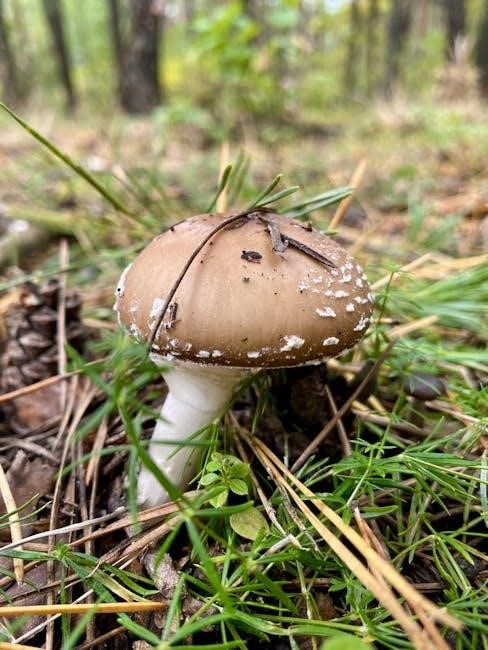
Common issues include fungal infections and infestations by space pests. Utilize appropriate fungicides and pesticides, available through the chemistry department or botany research, to combat these threats. Quarantine affected plants immediately to prevent spread.
Proper ventilation and hygiene are crucial preventative measures. Ensure adequate airflow and regularly clean your growing area to minimize the risk of outbreaks. Prompt action is vital for preserving your botanical endeavors.
Advanced Botany Techniques
Explore mutation and hybridization for unique plants, utilize the Floral Somatoray for yield boosts, and understand the differences between botany and bluespace cells;
Mutation and Hybridization
Mutation is a core aspect of advanced botany, allowing for unpredictable plant variations. Exposure to radiation, often from the Floral Somatoray, significantly increases mutation rates. While sometimes detrimental, mutations can yield plants with enhanced properties – larger yields, unique colors, or altered effects.
Hybridization involves cross-pollinating different plant species to combine their traits. This requires careful timing and understanding of plant genetics. Successful hybridization can create entirely new plant types, offering benefits beyond those of the parent plants. Experimentation is key, as results are rarely predictable. Remember, there’s no wrong way to approach botany; simply plant, grow, and observe!
Documenting your mutations and hybridization attempts is crucial for understanding successful combinations and avoiding repeating failures.
Utilizing the Floral Somatoray
The Floral Somatoray is a powerful tool for any serious botanist, requiring botany tech to operate. It boasts three distinct modes, each serving a unique purpose in plant manipulation. The first mode boosts plant yields, accelerating growth and increasing harvest sizes. The second induces mutations, introducing random genetic changes – potentially beneficial, or disastrous!
The third mode allows for targeted gene splicing, enabling hybridization between different plant species. Mastering the Somatoray requires practice and understanding of its effects. Be cautious with mutation; uncontrolled exposure can create unstable or even dangerous plants. Always prioritize safety and containment when experimenting with this advanced technology.
Proper calibration and maintenance are vital for optimal performance.
Botany Cells vs. Bluespace Cells
When considering long-term storage for your precious plants and seeds, the debate between Botany Cells and traditional Bluespace Cells arises. While Bluespace has long been the standard for item transport, Botany Cells present a compelling alternative, potentially offering superior preservation for delicate botanical specimens.
Early indications suggest Botany Cells may outperform Bluespace in maintaining plant viability over extended periods. However, comprehensive testing is still ongoing within the SS13 community. A bonus guide from pre-2020 details older system comparisons.
Currently, the optimal choice depends on specific needs and risk tolerance. Experimentation and observation are key to determining the best storage solution for your botany endeavors.
Useful Plants and Their Applications
SS13 botany yields diverse plants: food crops for the chef, vital medical plants for pharmaceuticals, and unique specimens for ongoing research projects.
Food Crops for the Chef
The primary role of a Botanist often revolves around supplying the station’s Chef with essential ingredients. A consistent flow of fresh produce is crucial for morale and maintaining a functioning kitchen. Key crops include tomatoes, potatoes, and various herbs, all vital for creating diverse and appealing meals.
Prioritizing fast-growing, high-yield plants is beneficial. Regularly communicating with the Chef to understand their current needs prevents waste and ensures efficient resource allocation. Don’t underestimate the value of simple ingredients; even basic vegetables contribute significantly to the menu. Remember, a happy Chef is a productive Chef, and that starts with a well-stocked Botany Bay!
Medical Plants and Pharmaceuticals
Beyond culinary uses, Botany plays a critical role in station healthcare. Cultivating medical plants provides essential ingredients for the station’s medical staff, enabling them to create vital pharmaceuticals and treatments. Key plants include those used in the production of antitoxins, healing salves, and even stimulants for emergency situations.
Understanding which plants contribute to specific medical compounds is paramount. Maintaining a dedicated section of your garden for medical crops ensures a readily available supply during crises. Collaboration with the Head of Security and the Chief Medical Officer can help prioritize plant growth based on anticipated needs. A well-stocked medical Botany section can literally be a lifesaver.
Specialty Plants and Research
Beyond basic sustenance and medicine, Botany offers opportunities for advanced research and unique plant cultivation. Experimenting with mutations and hybridization can yield plants with novel properties, potentially unlocking new applications. Some plants are specifically valuable for research purposes, offering compounds useful in xenobiology or engineering.
The Floral Somatoray becomes crucial here, allowing for controlled mutation and the creation of specialized strains. Careful documentation of your experiments is vital, tracking growth patterns and resulting properties. Sharing successful discoveries with the station’s research departments can contribute to overall scientific advancement. Remember, responsible experimentation is key to unlocking Botany’s full potential.
Botany Storage and Logistics
Efficient storage is vital; the Chef’s Satchel holds up to 50 botany items. Organize your Botany Bay for quick access to seeds, solutions, and harvested plants.
The Chef’s Satchel and Botany Capacity
The Chef’s Satchel is an invaluable asset for any dedicated Botanist on Space Station 13. This specialized container dramatically increases your carrying capacity specifically for botany-related items, making efficient harvesting and transport significantly easier. Unlike standard containers, the Chef’s Satchel boasts a remarkable capacity of up to 50 slots.
These slots are exclusively reserved for items crucial to the botanist’s trade – seeds of all varieties, nutrient solutions, fertilizers, and, most importantly, the plants themselves. This generous storage space minimizes trips back to your garden or Botany Bay, allowing for extended research and uninterrupted cultivation. Utilizing the satchel effectively is key to maximizing your productivity and fulfilling requests from the station’s culinary expert.
Organizing Your Botany Bay
A well-organized Botany Bay is paramount for efficient plant cultivation and research on Space Station 13. Begin by designating specific zones: one for seed storage, another for growing mature plants, and a third for processing and mixing nutrient solutions. Utilize shelving and containers to categorize seeds by type – food crops, medical herbs, and specialty plants.
Clearly label each container to avoid confusion. Implement a system for tracking plant growth stages, perhaps using colored markers or tags. Keep essential tools, like the Floral Somatoray and watering can, readily accessible. Regularly prune dead leaves and remove diseased plants to maintain a healthy environment. A tidy Botany Bay fosters productivity and minimizes the risk of contamination.
Tips and Tricks for Success
Maximize yields by experimenting with mutations and utilizing the Floral Somatoray effectively; troubleshoot issues like pests with careful observation and prompt action.
Maximizing Yields
Achieving substantial harvests in SS13 botany requires a multifaceted approach. The Floral Somatoray is paramount; utilize its yield-increasing mode strategically on mature plants, but be mindful of potential overgrowth. Experimentation with mutations, while risky, can unlock significantly higher production rates for certain species.
Careful monitoring of nutrient solutions is crucial. Ensure plants receive adequate, but not excessive, fertilization. Proper lighting and temperature control within Botany Bay also contribute to optimal growth. Don’t underestimate the value of cross-breeding; combining desirable traits can create superior strains. Finally, remember that consistent attention and proactive pest control are vital for preventing yield losses.
Troubleshooting Common Issues
Botanists frequently encounter challenges. Wilting plants often indicate insufficient hydration or nutrient deficiencies; adjust your solution accordingly. Pests can decimate crops – regular inspection and application of appropriate pesticides are essential. Mutations can yield unpredictable results, sometimes creating unusable or even dangerous plants; isolate experimental specimens.
Overgrowth, especially when using the Floral Somatoray’s yield mode, can quickly overwhelm Botany Bay. Regularly harvest mature plants to prevent overcrowding. If cells become corrupted, quickly isolate and dispose of the affected plants. Remember to check for power outages, as these can disrupt environmental controls and harm your garden. Consistent monitoring is key to swift problem resolution.