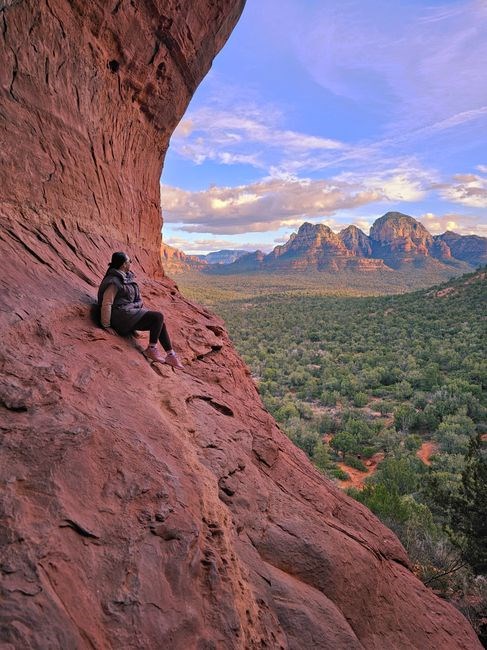
red rock climbing guides
Red Rock Climbing guides bring seasoned AMGA‑accredited expertise to Nevada’s sandstone․ The Mountain Guides offer half‑day routes tailored to skill levels, while R2C2‑affiliated services provide detailed beta, safety instruction, and women’s clinics, ensuring climbers enjoy the Mojave’s iconic cliffs safely․!
History and Significance of Red Rock Canyon
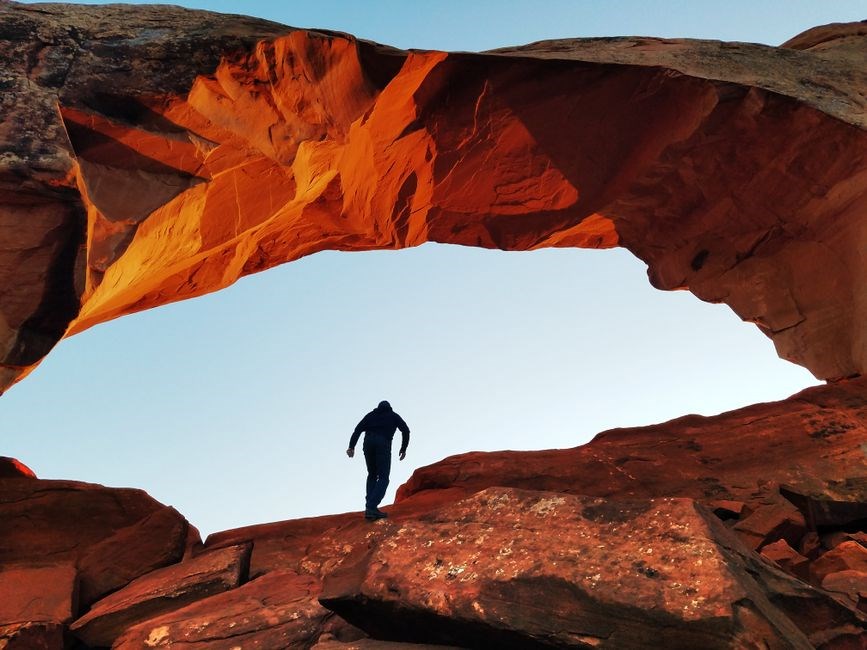
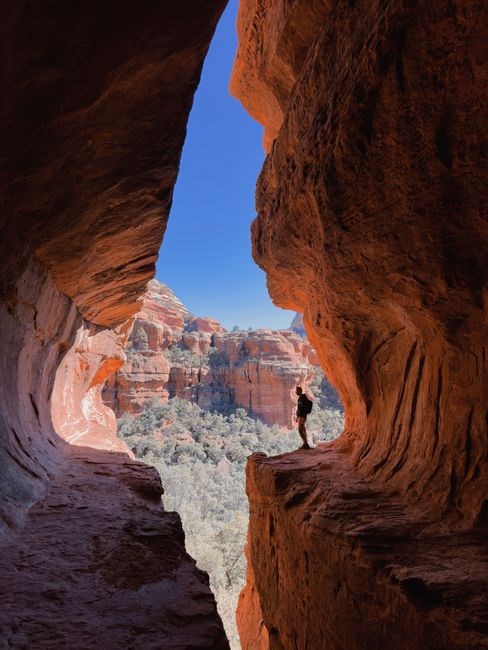
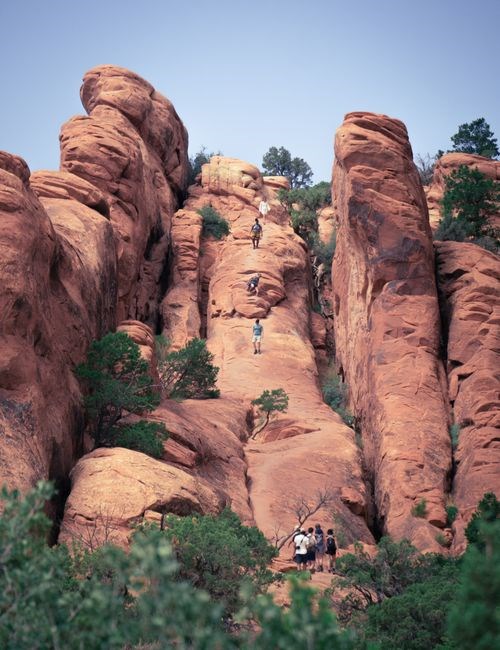
Red Rock Canyon, a jewel of the Mojave, owes its fame to the Aztec sandstone cliffs that rise from the desert floor․ The canyon’s geological history spans millions of years, with sedimentary layers revealing a record of ancient seas and volcanic activity․ In the early 20th century, the area attracted the first American climbers, who mapped routes that still challenge enthusiasts today․ The canyon’s vistas and unique rock formations made it a laboratory for geology students and a playground for pioneers of sport climbing․ Over the decades, Red Rock evolved from a remote outcrop to a nationally recognized climbing hub, drawing climbers worldwide․ Its designation as a National Conservation Area in 1992 helped preserve the fragile desert ecosystem while promoting responsible recreation․ Today, the canyon remains a symbol of the enduring allure of the American Southwest, blending natural beauty, historical depth, and a climbing culture that continues to inspire new generations․
Before European settlement, the area was a sacred landscape for the Paiute and other Native American tribes, who used the canyon’s resources for hunting and gathering․ The first documented climbs appeared in the 1930s when climbers from the Sierra Club began exploring the sandstone faces․ Over the decades, the canyon’s popularity grew, leading to the establishment of the Red Rock Canyon National Conservation Area in 1992, which protects both the ecological and cultural heritage of the region․
Its trails reveal petroglyphs, inviting reflection!!!
Guide Services Overview
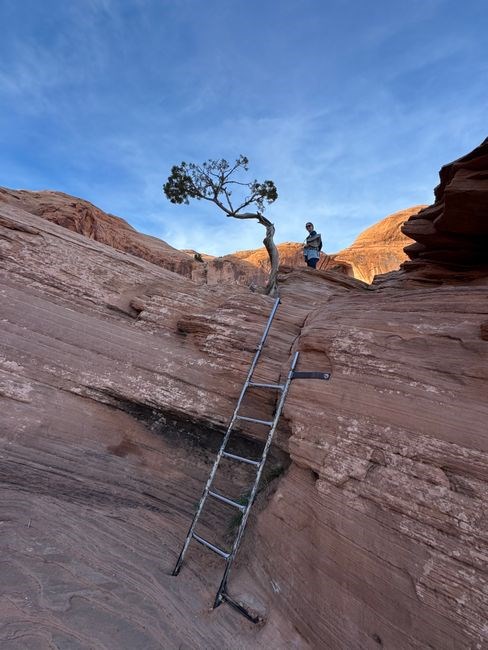
The Mountain Guides, an AMGA‑accredited outfit, leads climbers through Red Rock’s sandstone with precision and care․ Their half‑day excursions are tailored to each participant’s skill set, offering a mix of sport, trad, and aid routes that showcase the canyon’s distinctive features․ Each guide brings a wealth of local knowledge, ensuring that climbers experience the full spectrum of Red Rock’s terrain while maintaining the highest safety standards․
Affiliated with R2C2, the guides also provide comprehensive training sessions, including women’s climbing clinics that empower female climbers with confidence and technique․ Their instructional classes cover everything from basic rope handling to advanced protection placement, making the experience accessible to novices and seasoned alpinists alike․ The team’s commitment to education extends to wilderness medicine certification, ensuring that climbers are prepared for any emergency․
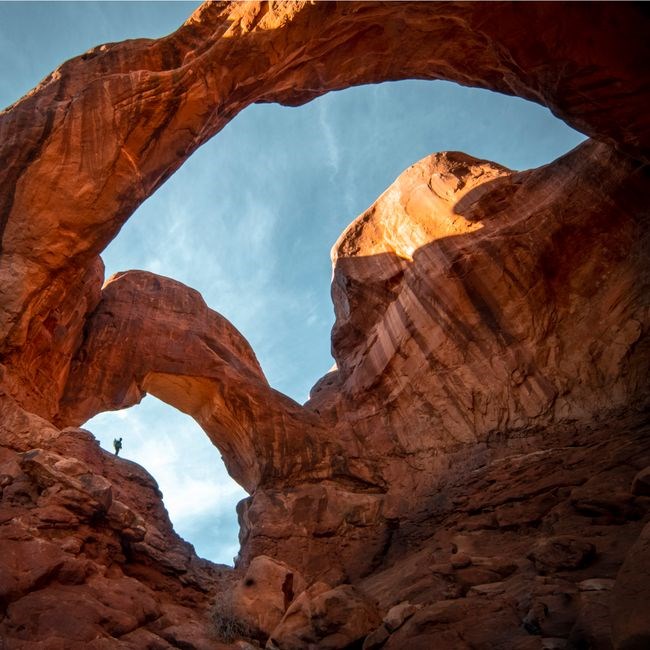
Beyond climbing, the guides facilitate seamless integration of summit hikes and peak‑bagging adventures, allowing climbers to explore the canyon’s iconic vistas․ Booking is straightforward: clients can reserve a guided day through the Mountain Guides’ website or via direct contact, with flexible options that accommodate both single‑day and multi‑day itineraries․ The guides’ expertise, combined with a passion for the desert, creates an unforgettable adventure for all who seek the thrill of Red Rock․ Whether you’re a seasoned alpinist or a beginner, the guides tailor each session to your goals for a safe climb․!!
Types of Climbing Routes in Red Rock
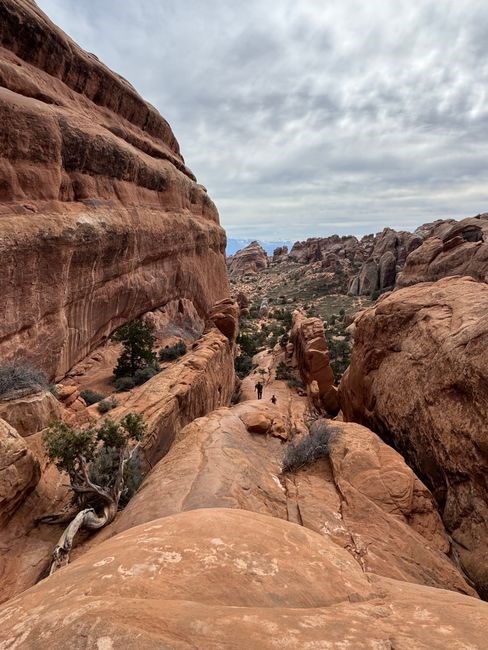
Red Rock Canyon offers a diverse array of climbing styles that cater to both novices and seasoned alpinists․ The canyon’s iconic Aztec sandstone presents classic sport routes, where fixed bolts provide a secure line for climbers seeking a straightforward ascent․ These routes, ranging from 5․6 to 5․11, showcase the canyon’s smooth, polished faces and offer a reliable introduction to desert climbing․
For those craving a more traditional experience, the canyon’s trad routes demand careful gear placement and a keen eye for protection․ Climbers can find routes that test their skill in placing cams and nuts on the natural cracks, with difficulty levels spanning 5․7 to 5․12․ The trad walls often feature long, sustained pitches that reward patience and precision․
Adventurous climbers may also explore aid climbing opportunities, where the use of ladders, pitons, and other equipment allows ascents on routes that would otherwise be inaccessible․ Aid routes in Red Rock can reach 5․13 in difficulty, offering a unique challenge that blends technical climbing with strategic gear use․
In addition to these primary styles, the canyon hosts a selection of mixed and bouldering problems that add variety to a climber’s itinerary․ Mixed routes combine rock and ice, while the bouldering areas provide short, powerful problems that test strength and technique․ Together, these options create a comprehensive climbing experience that showcases the canyon’s geological diversity․ The sandstone inspires climbers
Gear and Safety Requirements for Red Rock Climbers
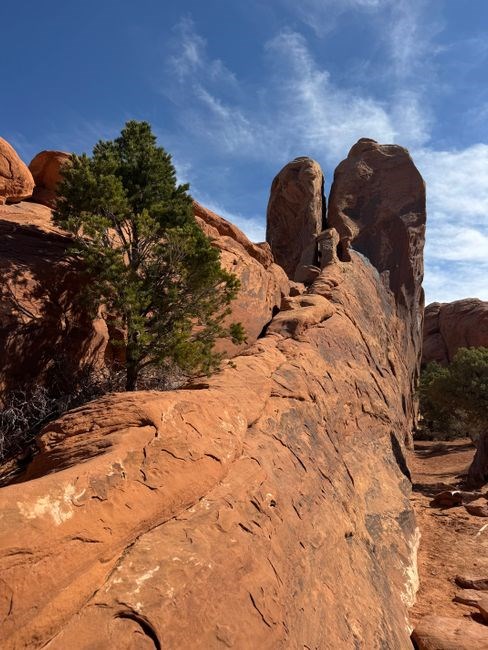
Red Rock Canyon’s sandstone demands a comprehensive gear list that balances protection, comfort, and environmental stewardship․ A standard climbing harness, helmet, and a dynamic rope (50–60 m) are essential for all routes, while a set of quickdraws, slings, and a belay device should accompany every ascent․ For sport routes, a selection of 0․5–3 mm bolts and a reliable climbing shoe with a moderate to high‑grip sole provide the foundation for safe, efficient movement․
Traditional climbs require a full rack of cams and nuts, ranging from small nuts to large cams, plus a set of hexes and slings for gear placement․ A helmet protects against falling debris․ A climbing pad or crash pad is a chalk bag keeps hands dry on long pitches!!
Safety protocols extend beyond gear․ Climbers should carry a first‑aid kit, a multi‑tool, a headlamp, and a reliable communication device such as a satellite messenger or a local radio․ A detailed route plan, including beta and approach information, should be shared with a partner or guide․ In addition, climbers must respect Leave‑No‑Trace principles by packing out all waste, minimizing impact on fragile sandstone, and staying on established trails․
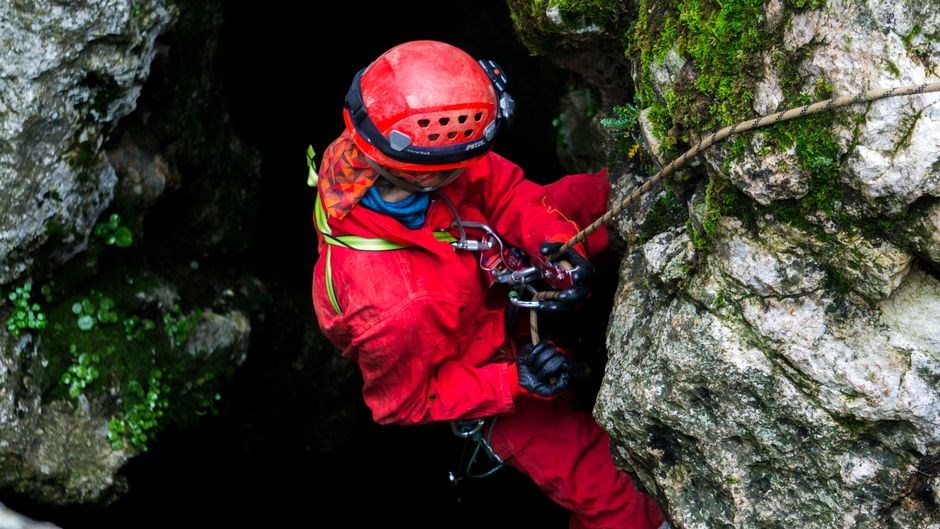
Guided trips with AMGA‑accredited instructors provide on‑site gear checks, instruction on proper placement, and real‑time safety oversight․ These guides also emphasize the importance of acclimatization, hydration, and sun protection, ensuring climbers remain healthy and safe throughout their adventure in the desert environment․
Training and Preparation for Red Rock Climbs
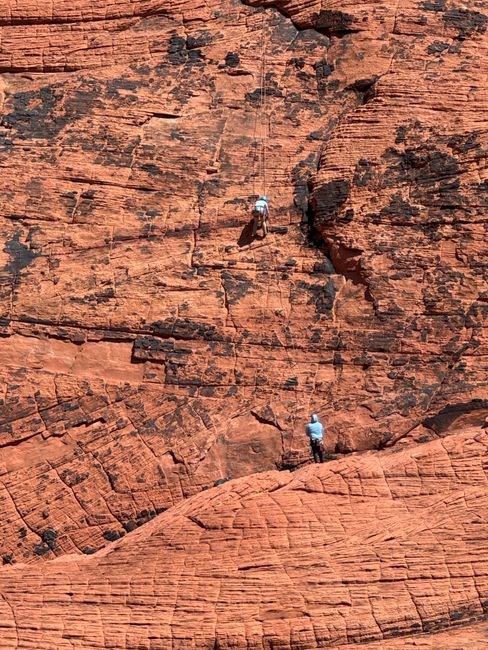
Preparing for a Red Rock adventure involves a blend of physical conditioning, technical skill, and logistical planning․ AMGA‑accredited guides from The Mountain Guides recommend a training regimen that focuses on upper‑body strength, core stability, and dynamic movement to handle the sandstone’s unique holds․ Climbers should practice lead climbing on campus walls, work on efficient belay techniques, and familiarize themselves with trad gear placement․
Route knowledge is crucial․ The definitive guidebook to Red Rock Canyon offers full‑color topos and detailed beta for sport, trad, and aid routes․ Reviewing these materials before a trip helps climbers anticipate pitch lengths, protection density, and potential hazards․ A pre‑trip briefing with a guide can clarify approach routes, weather expectations, and safety protocols․
Logistically, climbers must schedule a half‑day or full‑day session that aligns with peak temperature windows—typically early morning or late afternoon to avoid the intense midday heat․ Hydration packs, sun protection, and a lightweight, breathable clothing stack are essential for comfort․ Guides also advise packing a multi‑tool, a first‑aid kit, and a reliable communication device․
Finally, mental preparation matters․ Setting realistic goals, practicing relaxation techniques, maintaining clear communication with partners reduce stress and enhance focus on the climb․ With training, gear, and guidance, climbers can safely explore Red Rock’s iconic sandstone formations․
Environmental Considerations and Leave No Trace in Red Rock
Red Rock guides emphasize Leave No Trace: pack out trash, stay on established routes, avoid fragile vegetation,and use existing anchors․ R2C2 affiliates train climbers in minimal impact techniques, ensuring sandstone preserves its natural beauty for future generations․ Guides enforce wildlife strict care!
Popular Guide Companies Affiliated with R2C2
R2C2’s network of vetted guides is a cornerstone for climbers seeking expert instruction in the desert’s sandstone․ Among the most frequently recommended are The Mountain Guides, whose staff lead half‑day and full‑day climbs, offering detailed route briefings, safety instruction, and women’s clinics․ Red Rocks Climbing Guides, also R2C2‑affiliated, specialize in sport, trad, and aid routes, providing up‑to‑date beta, gear checks, and environmental stewardship training․ Other notable partners include Desert Peak Guides, known for their intimate knowledge of lesser‑known crags, and Sierra Nevada Climbing, which offers multi‑day expeditions that combine climbing with summit hikes․ Each company maintains rigorous safety protocols, uses high‑quality gear, and promotes Leave‑No‑Trace principles, ensuring climbers can enjoy the canyon’s natural beauty responsibly․ Whether you’re a beginner or an experienced alpinist, these affiliates provide the expertise, local insight, and logistical support needed for a memorable Red Rock experience․ The Mountain Guides boast a roster of seasoned instructors who have led hundreds of climbs in the canyon, ensuring novices and veterans alike receive tailored instruction․ Red Rocks Climbing Guides focuses on environmental stewardship, offering Leave‑No‑Trace workshops and teaches Leave‑No‑Trace skill climbers to! Sierra Nevada Climbing specializes in multi‑day expeditions that pair challenging routes with scenic summit hikes, appealing to climbers seeking adventure endurance․ All affiliates maintain safety protocols and promote climbing carefully!
Guide Certification and Accreditation (AMGA, USAGC)
All Red Rock climbing guides operating under the R2C2 umbrella hold formal credentials from the American Mountaineering Guide Association (AMGA) and the United States Association of Glacier Guides (USAGC)․ These certifications require rigorous coursework, written exams, and hands‑on field evaluations that cover route‑finding, belay techniques, rescue procedures, and client communication․ AMGA’s “Guide Level 1” and “Guide Level 2” designations attest to a guide’s proficiency in leading both novice and advanced climbers through the canyon’s sandstone faces․ USAGC accreditation further emphasizes wilderness medicine, risk assessment, and environmental stewardship, ensuring guides can respond to emergencies and minimize ecological impact․ Guides must maintain their credentials through continuing education, annual recertification, and active participation in local climbing communities․ The Mountain Guides and Red Rocks Climbing Guides each list their AMGA and USAGC credentials on their websites, allowing clients to verify that their instructor meets national safety standards and ethical guidelines․ By choosing a certified guide, climbers gain confidence that the leader can navigate complex routes, manage gear, and uphold the highest safety protocols while respecting the fragile desert ecosystem․
Choosing a certified guide not only guarantees adherence to national safety standards but also promotes responsible climbing practices that protect the canyon’s fragile ecosystems for future generations․
Clients trust precise plans․
Cost Structure and Booking Procedures
Red Rock climbing guide services follow a transparent pricing model that balances quality, safety, and client experience․ A standard half‑day outing typically ranges from $120 to $180 per person, depending on guide expertise, equipment rental, and group size․ Full‑day adventures, which include extended routes, lunch, and optional training modules, cost between $250 and $350 per climber․ Premium packages—such as multi‑day trips, private instruction, or specialized clinics—start at $500 and can scale upward based on itinerary complexity․ Rates are inclusive!
Booking is streamlined through each guide company’s online portal or dedicated phone line․ Clients must provide a signed liability waiver, proof of climbing experience, and any medical clearance required for high‑risk activities․ A 25% deposit secures the date, with the balance due 48 hours before departure․ Cancellation policies vary: a full refund is available up to 30 days prior, while a 50% refund applies between 15 and 30 days, and no refund after 14 days․ For last‑minute changes, guides may offer a credit toward future trips, subject to availability․
Payment methods include major credit cards, PayPal, and, for larger groups, corporate invoicing․ Guides also accept travel insurance endorsements, which can cover gear loss, medical evacuation, or weather‑related cancellations․ All invoices detail gear, insurance, and guide fees, ensuring clients understand the breakdown and can budget accordingly․
Route Recommendations and Beta for Sport, Trad, and Aid
Guides also offer optional training sessions on advanced protection techniques, belaying, and rescue protocols, which are invaluable for climbers looking to elevate their skill setAdditionally, each guide provides a detailed itinerary that includes approach routes, water sources, and recommended gear lists tailored to the day’s conditions, ensuring climbers are prepared for a safe rewarding extensive experience․
Peak Bagging and Summit Hike Integration
Red Rock climbing guides often combine technical ascents with scenic summit hikes, creating a holistic outdoor experience․ Many guides schedule a day that starts with a short approach to a popular sport route, then transitions to a moderate trad climb that leads to a ridge line․ After a brief rest, climbers are guided along a well‑marked trail to a nearby peak, such as the iconic Mount Charleston or the lesser‑known Red Rock Ridge, where panoramic views of the Mojave Desert and Las Vegas skyline await․ The guides emphasize the importance of pacing, hydration, and acclimatization, especially when the elevation gain exceeds 1,500 feet over a single day․ They also provide detailed beta for each approach, including trailhead coordinates, trail conditions, and potential hazards like loose scree or sudden weather changes․ For climbers who prefer a more challenging itinerary, the guides can incorporate a multi‑pitch trad climb that leads to a summit block, followed by a short scramble to the final ridge․ This integration allows climbers to experience the full spectrum of Red Rock’s terrain, from vertical sandstone faces to open ridges, while maintaining a safe and efficient itinerary․ Additionally, the guides offer post‑hike debriefs, discussing route selection, gear choices, and any adjustments needed for future trips․ By blending peak bagging with climbing, the guides help climbers build endurance, technical skill, and a deeper appreciation for the region’s natural beauty․
In addition, many guides coordinate with local ranger stations to secure permits for high‑traffic peaks, ensuring climbers can access restricted areas without delay․ They also share insights on seasonal variations, such as the early spring melt that can soften rock faces or the late‑summer heat that requires early starts․ By integrating peak bagging into a climbing itinerary, guides provide a balanced challenge that rewards climbers with both technical skill development and unforgettable summit views․
Finally, after the summit, guides encourage climbers to reflect on the day’s achievements, discuss route nuances, and plan future climbs, fostering a community of experienced outdoor enthusiasts․ All details are tailored․
Community Events and Social Media (Reddit r/climbergirls)
Red Rock climbing guides actively engage with the climbing community through events and social media, especially on Reddit’s r/climbergirls․ Guides from The Mountain Guides and R2C2‑affiliated teams post weekly trip recaps, route beta, and safety tips, fostering a supportive network for climbers of all levels․ Community events such as “Women’s Climbing Clinics” and “Gear Swap Nights” are announced on the subreddit, inviting participants to share experiences, ask questions, and connect with local experts․ Live Q&A sessions with AMGA‑certified guides are scheduled monthly, allowing users to discuss route selection, training plans, and gear reviews in real time․ Guides also curate photo‑and‑video galleries of recent climbs, highlighting the unique sandstone formations and sunset vistas that define Red Rock Canyon․ By maintaining an active presence on r/climbergirls, guides help demystify the logistics of booking trips, navigating permit requirements, and preparing for seasonal weather patterns․ The subreddit’s comment threads often feature detailed beta, approach routes, and personal anecdotes that enrich the collective knowledge base․ Additionally, guides collaborate with community members to organize group climbs, fostering camaraderie and ensuring safety standards are upheld․ The synergy between in‑person events and online engagement strengthens the Red Rock climbing community, making it more inclusive and informed․ Moreover, guides leverage the subreddit to announce flash deals on gear rentals, share weather alerts, and coordinate meet‑ups for spontaneous climbs, ensuring that every climber stays informed and prepared․
Seasonality, Weather Patterns, and Best Times to Visit
Red Rock Canyon’s desert climate dictates peak climbing windows․From late September through early Apriltemperatures range between 50°F and 70°F offering comfortable daytime conditions and cooler nights that reduce heat stress․ During these months AMGA‑certified guides schedule half‑day and full‑day trips ensuring routes remain safe from extreme heat and flash‑floodrisks The summer months of May through August bring daytime highs that routinely exceed 100°F making climbs hazardous․ Guides recommend early‑morning or late‑afternoon sessions and many R2C2‑affiliated operators close certain routes during the hottest period to protect climbers from heat exhaustion․ Winter (December–February) can see temperatures drop to 30°F–40°F but the dry air and clear skies create excellent visibility for route finding․ However sudden snow or ice can render routes slippery; guides advise checking local weather alerts before departure․ Spring (March–April) and fall (September–October) are considered the optimal seasons for both sport and trad climbs as the moderate temperatures low humidity and minimal wind create ideal conditions for chalking belaying and gear placement․ Guides also note that the monsoon season in July can bring sudden thunderstorms so climbers should avoid the canyon during that month․ By aligning trip schedules with these seasonal patterns, guides help climbers maximize safety enjoyment natural beauty of Red Rock’s sandstone formations․